Dwarves
Animals: cats, carp and other hazards
Every fortress shares its mountain with animals. Some are friends, some are food, some are weapons, and a few have become legends in their own right.
The game simulates animals with the same care it gives to dwarves. Each one has a body, a temperament and needs of its own. The result is a supporting cast that often steals the show: livestock that must be fed and bred, pets that dwarves adore, creatures of the wild that range from harmless to horrifying, and a pair of animals the community will never let anyone forget.
The carp
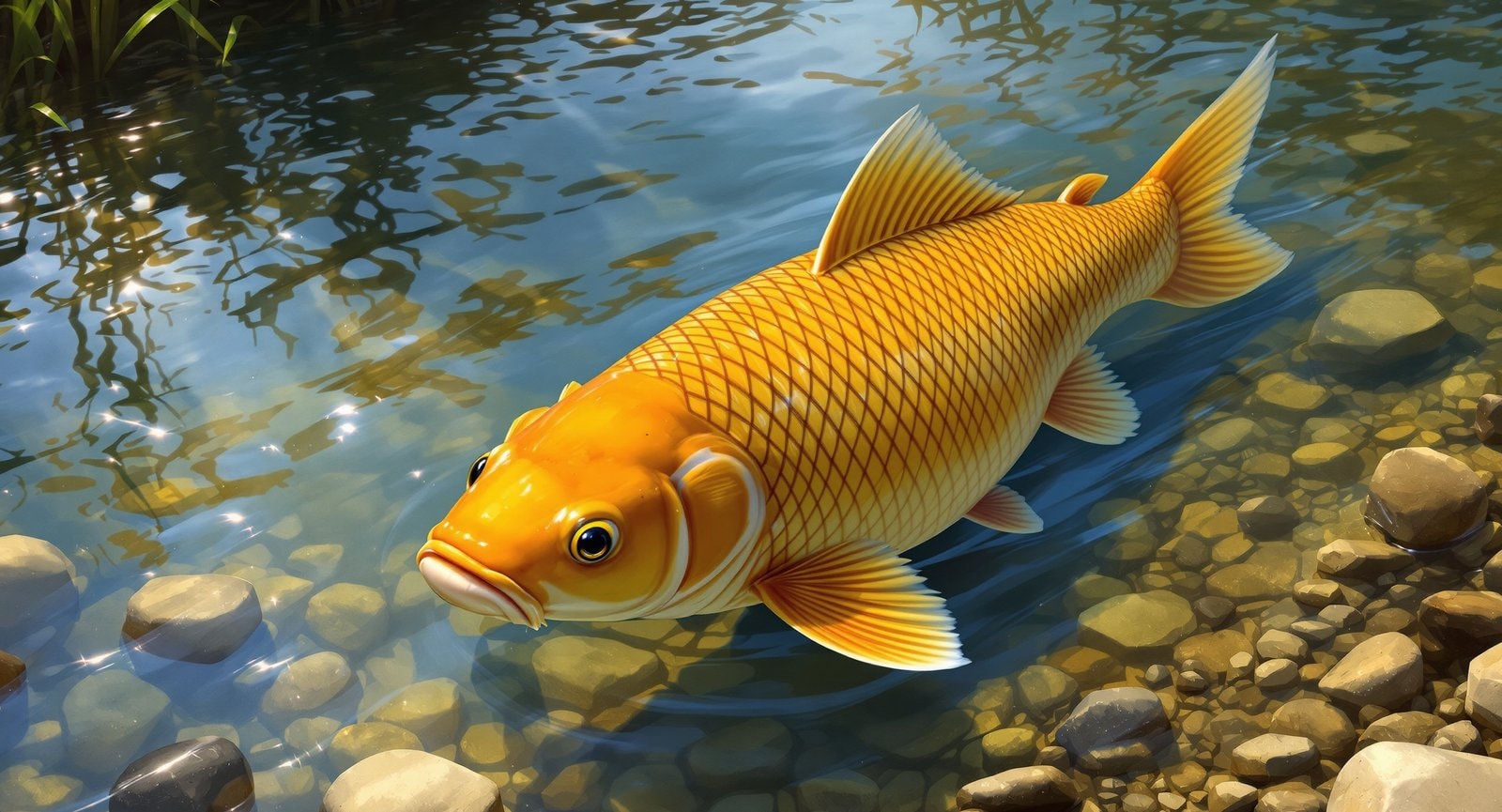
For years, the most feared creature in the game was not a dragon or a demon. It was the carp. In older releases, these ordinary-looking river fish were aggressive and surprisingly deadly, and many a dwarf who waded in to fetch water or catch a fish never came out. The official wiki's carp page records that older releases made carp notorious for their hostility and for a bite far stronger than a fish had any right to, and that in the current release they are, at worst, a nuisance.
The carp became a running joke and a kind of mascot for the game's unpredictability: a reminder that in this world, the danger is often where you least expect it. If you play an older release, treat rivers with suspicion. If you play the modern one, you can mostly relax, though the reputation lives on.
The catsplosion
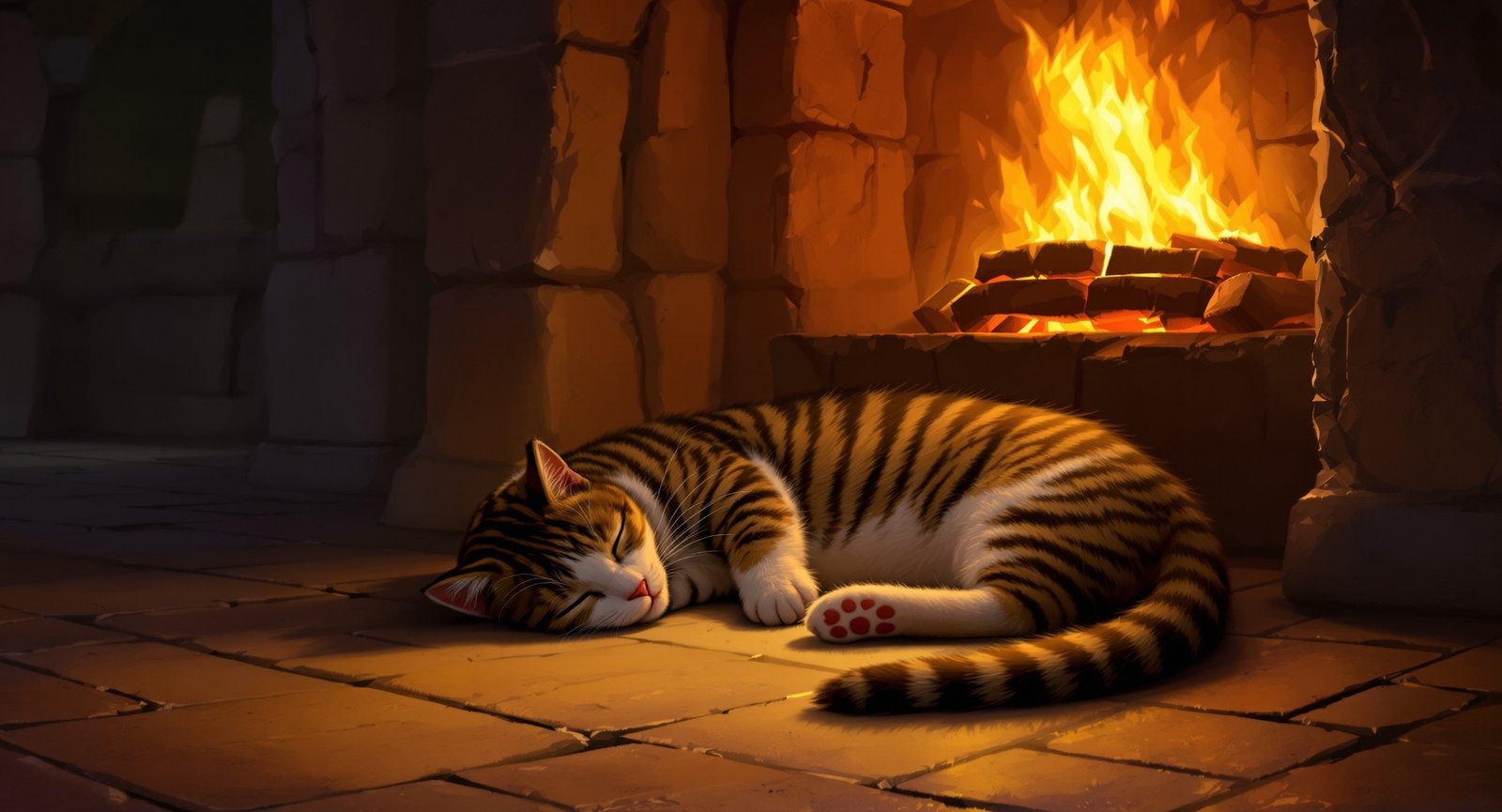
Cats are common in fortresses, and they are genuinely useful for keeping vermin down. The trouble begins when they breed. Cats multiply quickly, and a fortress that started with a couple can find itself, a few years later, overrun. The community calls this the "catsplosion", and the official wiki's catsplosion page treats it with the seriousness it deserves, which is to say not very much, while still offering practical advice.
The real complication is adoption. Cats, and other small animals, can choose a dwarf and become that dwarf's pet. Once that happens, the dwarf will not tolerate anyone harming the animal, and losing a pet causes real distress. The same page describes exactly this trap: a fortress full of adopted cats cannot simply be thinned out without upsetting half the population. Its main recommendation is prevention, and it notes that assigning male cats to be gelded stops them breeding. Keeping only a few cats and dealing with kittens before they are adopted avoids the whole problem.
The injured cat message
One of the game's best-loved curiosities is an announcement in the style of "cat cancels store item: too injured". It appeared because cats, like dwarves, can be assigned hauling jobs in certain circumstances, and the game dutifully reported that an injured cat had given up a job it was never really meant to have. It became a symbol of the game's thoroughness: even the cats have job queues, and even the cats can decline to work.
Pets and companions
Dwarves form bonds with animals, and those bonds are part of what makes the fortress feel alive. Dogs, cats and other tame creatures may adopt a dwarf, follow them around and comfort them. A dwarf who loses a pet grieves. This makes pets a small but real factor in the fortress's mood, discussed on the needs and happiness page. Keep pets away from obvious dangers, and think twice before sending a dwarf with a beloved companion into battle together.
Livestock
Grazing animals need pasture, and all livestock breed if given the chance. They supply meat, milk, eggs, wool and leather, which feed kitchens, clothiers and trade. Managed well, a herd is a steady resource; managed badly, it becomes a hungry crowd that slows the game and strips the pasture. The farming page covers turning animals into food, and the performance page explains why unchecked herds slow things down.
War animals
Some animals can be trained for hunting or for war. Trained dogs are a common early defence, stationed at the entrance or sent out with soldiers. Larger creatures, where available, can be trained too. War animals add muscle to a small military and serve as an early warning system. They are covered alongside the rest of the fortress's defences on the military page.
Dangerous creatures
The wild holds a wide range of animals. Most are harmless and wander off. Some are dangerous when provoked. A few are dangerous, full stop: large predators that hunt anything they find, and far worse things from the caverns below and from the world's darker corners. The general rules are simple.
- Read the announcements. The game tells you when something notable arrives.
- Keep a door you can close. Most crises end when the dangerous thing is on the other side of a raised bridge.
- Do not send civilians to investigate. Woodcutters and fishers are the most common victims of wildlife.
- Seal the caverns until you are ready for what lives there, as the digging page explains.
Vermin and small things
Rats, flies and other small creatures appear in food stockpiles and rubbish, and cats and similar animals keep them down. They are a minor nuisance rather than a threat, but a fortress with no way of controlling vermin will lose food to them. A few cats, kept in check, remain one of the best solutions, which is exactly how the catsplosion begins.