Start
Losing is fun: why fortresses fall, and why that is the point
No fortress lasts forever. The community's answer to that fact became its motto, and it is a surprisingly good philosophy for playing the game.
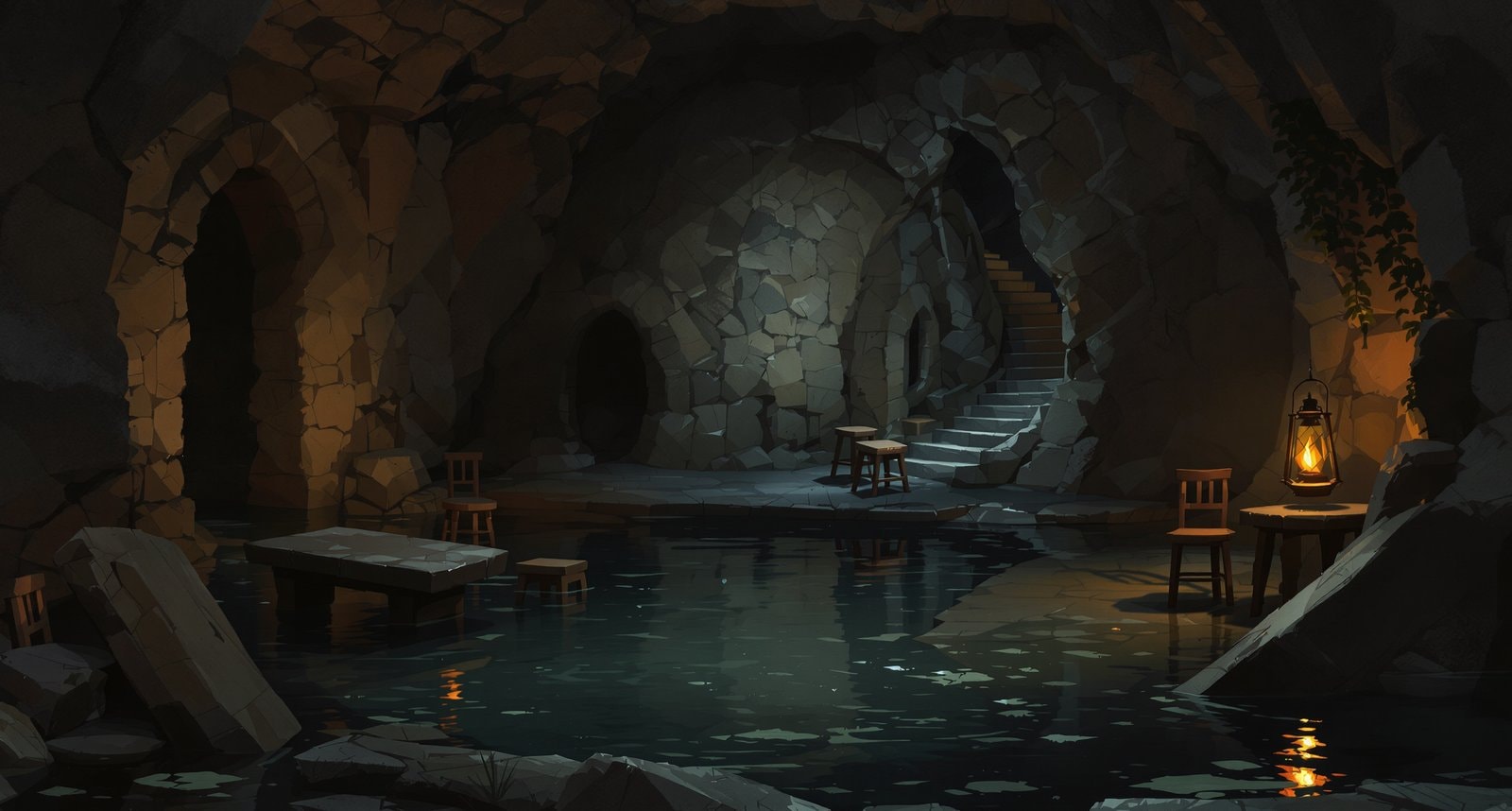
Most games are built around winning. You complete the quest, defeat the final enemy, reach the credits. Dwarf Fortress does not work that way. The official wiki's page on losing puts it bluntly: the game has no ending, no final objective and no victory screen, so nearly every fortress falls in the end. Once you accept that, the question changes from "how do you win?" to "what kind of story will this fortress tell before it ends?"
Where the motto comes from
Players adopted the phrase losing is fun early on, and it stuck because it described their actual experience. A fortress that runs smoothly for years is satisfying, but the ones people remember and retell are the ones that collapsed in a ridiculous chain of events. The phrase also carries practical advice. The same official page notes that the game has a steep learning curve and that discovering things for yourself is part of the process, which is a gentler way of saying you will learn most from the fortresses that died.
Fun, with a capital F
Among players, "Fun" with a capital letter has become shorthand for disaster: a flood, a fire, a monster wandering up from the depths, a tantrum that turns into a brawl. If a veteran says a fortress is about to have some Fun, they mean something is about to go very badly wrong, and that they are looking forward to watching. It is a joke, but it is also a coping strategy. A player who expects disaster can laugh at it, learn from it and try again.
How fortresses actually fall
Very few fortresses die from a single blow. Most fall to a cascade, where one problem creates two more and those create four. The pattern is worth learning because it shows you where to intervene.
The tantrum spiral. This is the classic. A popular dwarf dies. Their friends and family are grief-stricken. One of them, already short on sleep and tired of the same meal, throws a tantrum and breaks some furniture or picks a fight. Someone is hurt or killed in the fight, which upsets more dwarves. The official page describes this chain directly: if little gives dwarves happy thoughts and plenty gives them unhappy ones, tantrums and chaos follow, and in extreme cases the whole fortress is lost. Needs and happiness explains how to build a fortress resilient to it.
The flood. A miner channels into an underground river, or a floodgate is opened in the wrong order, and water pours through the lower levels. Dwarves drown, stockpiles float away, workshops are buried. The water page covers how to make water work for you rather than against you.
Fire and magma. Magma is wonderful fuel and a catastrophic neighbour. A leak or a badly chosen building material can set a whole level alight. See magma and forges.
Starvation. Rarer than people expect, but a fortress that neglects its farms and stills during a population boom can run dry at exactly the moment a siege keeps everyone indoors.
The monster. Something large and hostile arrives, from the surface or from the caverns below, and your military either does not exist or is somewhere else. This is where defence planning pays for itself.
Why the design works
The reason these disasters feel meaningful rather than arbitrary is that they grow out of systems interacting. Nobody scripted the moment a grieving dwarf punched a noble into a well. It happened because personalities, relationships, moods, architecture and physics all ran at once and collided. Wikipedia's article on emergent gameplay describes this as complex situations that emerge from the interaction of relatively simple mechanics, and Dwarf Fortress is one of the purest examples of it. A fortress's fall is therefore a story you did not write but did cause.
Learning from a lost fortress
When a fortress ends, it is worth spending a minute on the question of why. Not "a goblin killed everyone", but "the military was never trained, the front door had no bridge, and the only soldier was also the only brewer." Most collapses trace back to one of a small number of habits: too little food or drink in reserve, no way to seal the entrance, unhappy dwarves left unhappy for too long, or water and magma handled carelessly. Fix one of those next time and you will see the difference.
Reclaiming a fallen fortress
A lost fortress is not necessarily gone. The official page notes that you can reclaim a fallen fortress by sending a new group of settlers to it, or visit its ruins in adventure mode. Reclaiming is a distinct experience: the halls are already dug, the workshops are standing, and whatever killed the previous inhabitants may still be there. Some players find it the most rewarding way to play, picking through the remains and working out what happened. The adventure mode page describes the other way of going back.
The healthy attitude
Play to enjoy the story rather than to avoid ever losing. Take risks you are curious about. Build the thing that seems like a bad idea, just to see. Keep a note of what happened, because you will want to tell someone about it. And when the water comes rushing through the dining hall, remember that you are now one of a very large number of players who have watched the same thing happen, and that almost all of them embarked again straight away.