Dwarves
Keeping dwarves happy: needs, stress and nobles
Your dwarves are people, in the game's own peculiar way. They have tastes, friends, fears and long memories. Look after them and they will build wonders. Neglect them and they will break the furniture.
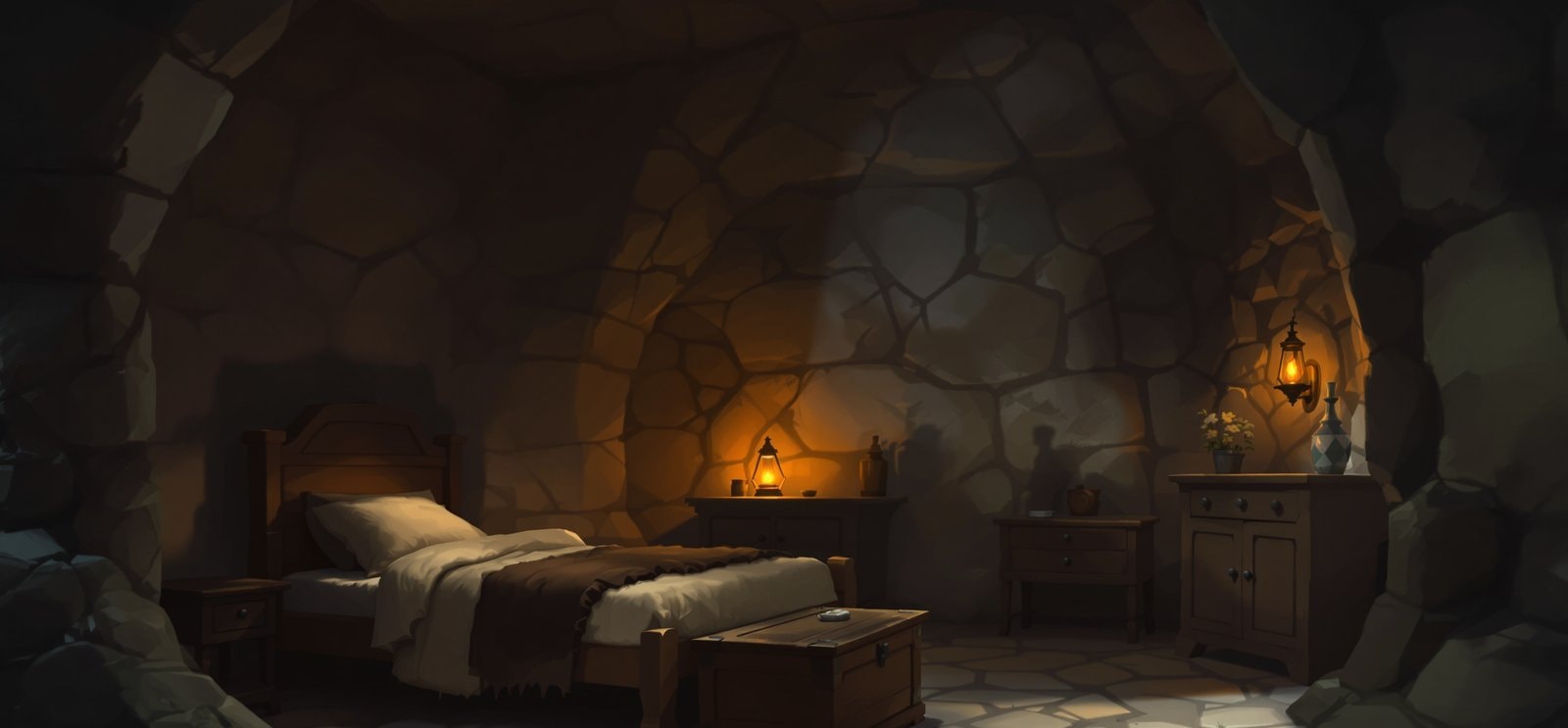
Much of Dwarf Fortress is about stone, water and metal, but the heart of it is the dwarves. Each one is simulated as an individual with a personality, a set of preferences, relationships with others and a running record of how they feel. Their mood shapes how well they work, how they treat each other and whether the fortress holds together under strain. This page covers how that works in general terms and what you can do about it.
Personalities and preferences
Every dwarf has personality traits that affect how they react to events. Some are easily upset; others shrug off almost anything. Some love company; others want to be left alone. Each also has preferences: favourite materials, foods, drinks, colours, creatures and kinds of object. A dwarf who likes a particular stone is pleased to see it in the walls of the dining hall, and delighted to own a chest made from it.
You do not need to track every dwarf's likes and dislikes, but it helps to glance at a few, especially your most skilled workers. Giving a legendary smith a bedroom decorated with their favourite metal is a small kindness that pays off.
Thoughts and stress
Dwarves react to what happens around them, and those reactions accumulate. Good experiences, like a fine meal, a beautiful room, time with a friend or a satisfying piece of work, improve their state of mind. Bad ones, like sleeping on the floor, being caught in the rain, seeing a corpse, losing a friend or being injured, wear it down.
In the modern release this is modelled as stress. The official wiki's stress page describes stress as similar to unhappiness in earlier versions, notes that dwarves under stress for long periods develop worse symptoms, and explains that in the short term too much stress brings on breakdowns: a tantrum, a slide into depression, or a spell of wandering about in a daze. The same page notes that the strongest experiences are the ones a dwarf keeps revisiting in memory, which is why a single terrible event can shadow someone for a long time.
The basics that matter most
Almost all of a fortress's happiness comes from a short list of basics.
- Somewhere good to sleep. A private bedroom, away from noise, with a bed and some furniture. The rooms and layout page covers design.
- Varied food and drink. A kitchen with several ingredients, and a still keeping the barrels full. See farming, food and drink.
- A pleasant place to eat. A dining hall with good furniture and decorated walls.
- Clothing. Dwarves notice when their clothes wear out. A clothing industry prevents a slow drip of complaints.
- Burial. Bodies should be put in coffins or tombs promptly. Unburied dead upset the living.
- Company and meaning. Friends, family, and in developed fortresses, places to worship, socialise and learn.
Noise and sleep
Sleep deserves special mention because it is so often overlooked. Dwarves disturbed by mining, workshops or traffic sleep badly, and a dwarf who has slept badly for a while is short-tempered. Keeping bedrooms away from active digging and busy workshops is one of the simplest improvements you can make, and it costs nothing but a little planning.
Nobles and their demands
As the fortress grows, it acquires officials and nobles. Some are appointed by you to handle specific jobs, such as a broker for trade or a chief medical dwarf for the hospital. Others arrive as the fortress's status rises. Nobles have expectations: rooms of a certain size and quality, fine furniture, tombs, and sometimes specific objects. Some issue mandates, demanding that particular items be made or forbidding their export.
Keeping nobles satisfied is partly a matter of planning ahead, reserving good rooms before you need them, and partly of paying attention to their demands. An unhappy noble is still a dwarf, and still capable of starting trouble.
Justice
When dwarves break rules, whether by ignoring a noble's mandate, damaging property or harming others, the fortress's justice system responds. Punishments range from mild to severe, and can themselves cause resentment. Justice is best kept proportionate. A fortress where minor offences lead to harsh punishment tends to produce more offences, not fewer.
How tantrum spirals start
The most famous way a fortress falls is the tantrum spiral. It begins with one dwarf under too much strain who snaps and lashes out. If someone is hurt or killed, their friends and family suffer, and some of them snap in turn. Each incident makes the next more likely. Left unchecked, the fortress can tear itself apart. The losing is fun page describes the spiral as one of the classic endings.
The best defence is resilience built in advance. A fortress where most dwarves are comfortable can absorb a bad event; one where many are already on edge cannot. When a crisis does hit, a few measures help: keep the dining hall and bedrooms pleasant, make sure the dead are buried quickly, give grieving dwarves time rather than more work, and keep the most volatile dwarves away from each other where you can.
Moods and inspiration
Not all intense states are bad. A dwarf may be struck by a strange mood and produce a masterpiece, which is covered on the strange moods page. A fortress full of content, well-rested dwarves tends to produce more such moments, and fewer of the other kind.