Dwarves
Farming, food and drink
Hungry dwarves are unhappy dwarves, and thirsty dwarves are worse. Fortunately, a small, well-run farm can feed a surprisingly large fortress.
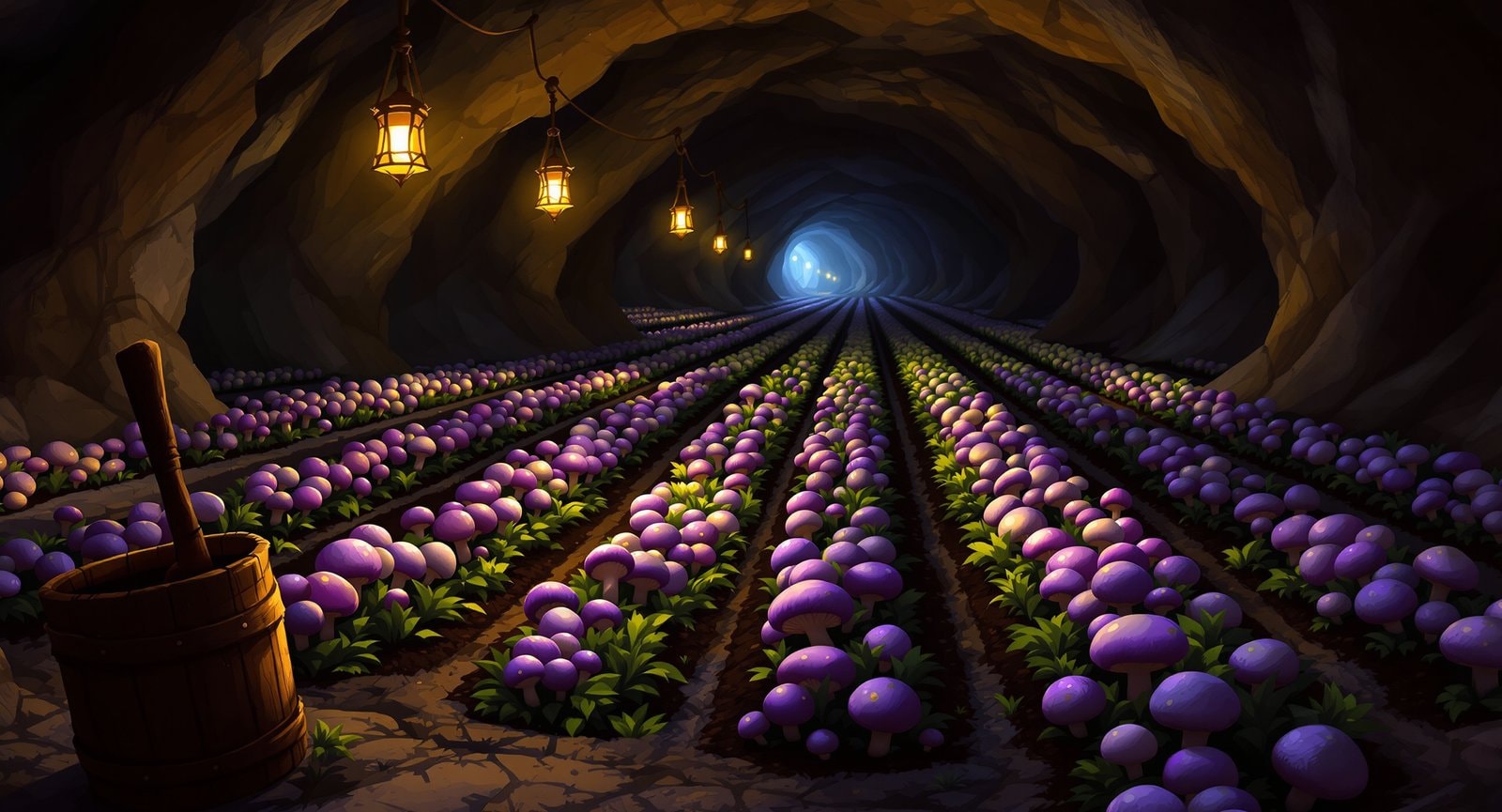
Food and drink are the foundation everything else rests on. A fortress with full barrels can weather a siege, a bad winter or a population boom. A fortress living from harvest to harvest is one bad season away from disaster. The good news is that farming in the game is forgiving once you understand a few basic ideas.
Where crops grow
The official wiki's farming page describes farming as growing crops for food, alcohol, cloth and paper, and notes that while small fortresses can get by on gathering, hunting and trade, farming is vital for large ones. Crops grow on farm plots, which can only be built on soil or on stone that has been muddied.
The key distinction is between underground and surface crops. The same page explains that a surface plot cannot grow underground crops, and an underground plot cannot grow surface ones. Underground crops are the backbone of most fortresses, because they grow in any season, are safe from weather and raiders, and thrive in the dim light below. Surface crops depend on the local climate and season, and give variety and some materials that underground farming cannot.
If your fortress has no soil below ground, you can create it by briefly flooding a stone floor to leave mud behind. The water page explains how to do it without drowning anyone.
Seasons and planning
Each plot is told what to plant in each season. Underground plots can often run the same crop all year; surface plots follow the weather. The official page notes that the game, unlike real farming, does not require you to rotate crops, and that soil productivity is affected only by fertilising. So the planning problem is less about agriculture than logistics: how many plots you need, which crops, and whether you have seeds.
Seeds are the most common beginner trap. Dwarves plant seeds, harvest plants and, if you are lucky, get seeds back when those plants are processed or eaten. If every harvested plant is cooked into meals that consume the seeds, or if seeds are left to rot, you can run out. Keep an eye on the seed stock, especially early on.
Drink
In the game, dwarves strongly prefer alcoholic drinks and are unhappy without them. This is a game mechanic, part of the fantasy of the dwarf, and nothing more. Brewing happens at a still, which turns plants into drink stored in barrels. Many underground crops can be brewed. A still running steadily, with a supply of barrels from the carpenter, keeps the fortress content.
Water works as a fallback, from a well or a river, but dwarves drinking only water will complain. Keeping a healthy surplus of drink in reserve is one of the best insurances against unrest during a long siege. The needs and happiness page covers why.
Cooking
A kitchen turns raw ingredients into prepared meals, which keep better, are worth more and are more pleasing to eat than raw plants or meat. Variety matters. Dwarves have favourite foods and dislike eating the same thing over and over, so a kitchen with a range of ingredients raises spirits across the fortress. Prepared meals are also excellent trade goods.
Butchering
Animals that are slaughtered at a butcher's shop provide meat, fat, bones, skin and more, each of which feeds another industry. Hunting brings in wild game, and livestock you raise yourself can supply a steady stream. Animals kept for meat need space and feeding, and breeding needs managing, as the animals page explains. Some dwarves grow attached to particular animals, and slaughtering a pet causes grief, so keep an eye on who has adopted whom.
Fishing and gathering
At the start of a fortress, before farms produce, fishing and gathering wild plants can make a real difference. Fish must be cleaned before they can be eaten or cooked, which is another small job for your workshops. Gathering plants from the surface also supplies seeds for surface farming. Both remain useful later as a source of variety.
Keeping a reserve
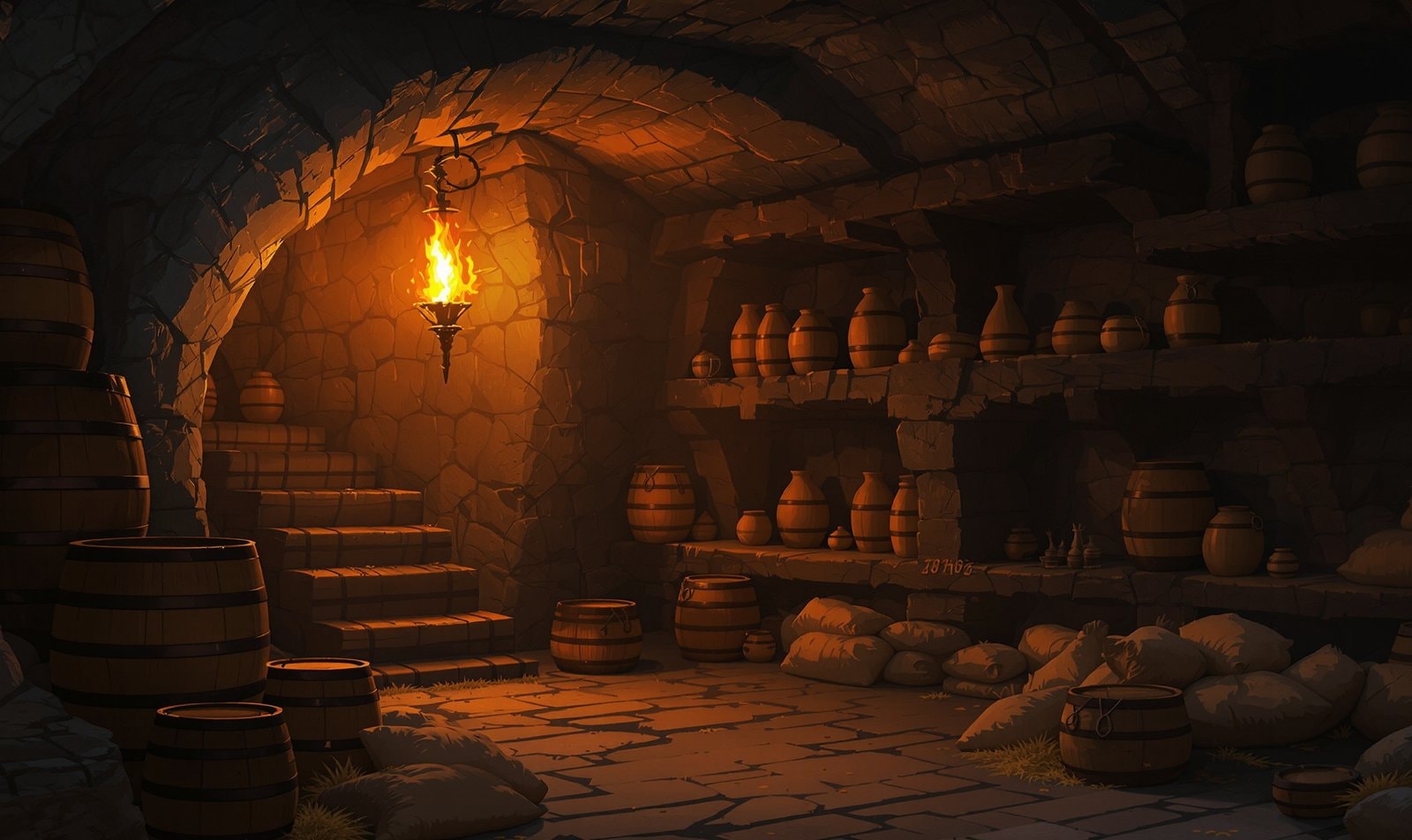
The simplest rule for a secure fortress is to keep a reserve: enough food and drink stored to see everyone through a long period without any new production. Sieges can keep dwarves indoors for a long time. Winters stop surface work. Moods, injuries and disasters pull farmers away from their plots. A storeroom of full barrels, close to the dining hall, turns all of these from a crisis into an inconvenience.
- Build farms and a still before anything grand.
- Watch the seed stock as closely as the food stock.
- Keep food and drink stockpiles near the dining hall and kitchen.
- Make barrels and pots ahead of the harvest.
- Aim for a comfortable surplus, then keep it there.
Trading for food
If a harvest fails, caravans can make up the difference. Visiting traders often carry food and drink, and a fortress with good trade goods can buy its way through a lean year. The trade and the economy page covers how.